


การอัปเกรดดิจิทัลคลัสเตอร์แบบย้อนกลับได้: รักษาตัวเลือกการคืนสู่สภาพเดิม
A การอัปเกรดดิจิทัลคลัสเตอร์แบบย้อนกลับได้ ผสมผสานจอแสดงผลสำหรับผู้ขับขี่รุ่นใหม่กว่ากับเส้นทางที่วางแผนไว้สำหรับการกลับไปยังระบบมาตรวัดเดิม ก่อนเลือกชุดติดตั้ง ควรทำความเข้าใจว่าอุปกรณ์อิเล็กทรอนิกส์เดิมชิ้นใดยังคงใช้งานอยู่ ชิ้นส่วนใดต้องเก็บรักษาไว้ และการกลับสู่สภาพเดิมจะเกี่ยวข้องกับอะไรบ้าง.
รถบางรุ่นจำเป็นต้อง ถ่ายโอน PCB OEM. รถรุ่นอื่นใช้มาตรวัดดิจิทัลแบบอะฟเตอร์มาร์เก็ตอิสระและไม่จำเป็นต้องถ่ายโอน PCB ของมาตรวัดเดิมเลย.
สถาปัตยกรรมการติดตั้งอาจแตกต่างกันไปในแต่ละรุ่น แต่ iKAGOO เชื่อว่าหลักการหนึ่งควรคงไว้เสมอ: เก็บมาตรวัดเดิมไว้และรักษาเส้นทางที่เป็นไปได้ในการกลับสู่ระบบจากโรงงาน.
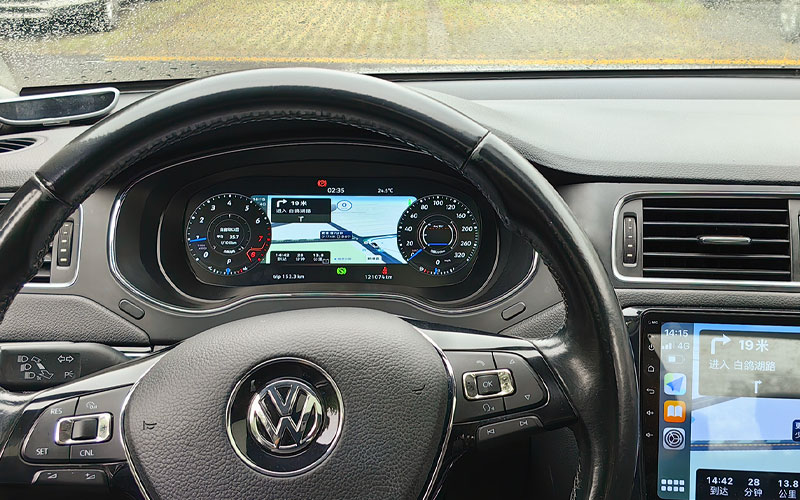
การอัปเกรดมาตรวัดดิจิทัลแบบย้อนกลับได้สามารถคืนสู่สภาพเดิมได้จริงหรือ?
โดยทั่วไปได้—เมื่อการติดตั้งได้รับการออกแบบโดยคำนึงถึงเส้นทางการคืนสภาพที่แท้จริงตั้งแต่เริ่มต้น.
นั่นไม่ได้หมายความว่าเปลือกพลาสติก ขายึด หรือชิ้นส่วนตกแต่งทุกชิ้นต้องไม่ถูกแตะต้อง คำจำกัดความที่มีประโยชน์จริงๆ ของการย้อนกลับได้นั้นมุ่งเน้นไปที่การปกป้องข้อมูลเดิมของรถ อิเล็กทรอนิกส์ OEM สายไฟจากโรงงาน และความสามารถในการติดตั้งระบบมาตรวัดเดิมกลับคืนในภายหลังเป็นอันดับแรก.
วิธีการคืนสภาพที่แน่นอนขึ้นอยู่กับว่ารถใช้การถ่ายโอน PCB OEM หรือมาตรวัดดิจิทัลอิสระ.
ถามสิ่งนี้ก่อนซื้อ
หากมาตรวัดดิจิทัลแบบอะฟเตอร์มาร์เก็ตนี้เสียหายในอีกห้าปีข้างหน้า ฉันยังสามารถคืนรถกลับสู่มาตรวัดเดิมได้หรือไม่?
iKAGOO เชื่อว่าคำถามนี้สำคัญกว่าการถามว่าสินค้ามีธีมแผงหน้าปัดกี่แบบ.
การอัปเกรดมาตรวัดดิจิทัลแบบย้อนกลับได้หมายถึงอะไรกันแน่?
คำว่า “ย้อนกลับได้” มักถูกใช้อย่างไม่ระมัดระวังเกินไปในอุตสาหกรรมอะไหล่หลังการผลิต ผู้ขายอาจอธิบายมาตรวัดดิจิทัลว่าย้อนกลับได้เพียงเพราะหน้าจอใหม่สามารถถอดปลั๊กออกได้.
iKAGOO เชื่อว่ายังไม่เพียงพอ.
A การอัปเกรดดิจิทัลคลัสเตอร์แบบย้อนกลับได้ ควรตัดสินจากหลายชั้นแยกกัน และชั้นที่สำคัญที่สุดไม่ใช่เรื่องของรูปลักษณ์ภายนอก.
| ชั้นความสามารถในการย้อนกลับ | หมายความว่า | ความสำคัญ |
|---|---|---|
| ข้อมูลรถ | เลขไมล์ ตัวตนของรถ การเขียนโค้ด ความสัมพันธ์ที่เกี่ยวข้องกับอิมโมบิไลเซอร์ และข้อมูลเฉพาะของรถอื่นๆ ในกรณีที่เกี่ยวข้อง. | สำคัญ |
| อิเล็กทรอนิกส์ OEM | แผงวงจร PCB ของมาตรวัดเดิม บอร์ดเสริมที่จำเป็น บัซเซอร์/ลำโพง และชิ้นส่วนอิเล็กทรอนิกส์เฉพาะของรถ. | สำคัญ |
| สายไฟจากโรงงาน | ชุดสายไฟ ขั้วต่อ และขั้วต่อปลายสายของ OEM ไม่ควรถูกตัดหรือเปลี่ยนแปลงอย่างถาวรโดยไม่มีเหตุผลทางเทคนิคที่แท้จริง. | สำคัญ |
| เส้นทางกลับสู่สภาพเดิม | มีกระบวนการที่เป็นไปได้จริงในการสร้างใหม่หรือติดตั้งระบบมาตรวัดเดิมกลับคืนในภายหลัง. | สำคัญ |
| ตัวเรือนและชิ้นส่วนตกแต่ง | เปลือกพลาสติก ขายึด กรอบ และฝาครอบ บางครั้งอาจต้องดัดแปลงและมักสามารถเปลี่ยนแยกได้. | เงื่อนไข |
| ความเป็นต้นฉบับด้านรูปลักษณ์ | ว่าชิ้นส่วนพลาสติกที่ซ่อนอยู่ทุกชิ้นยังคงไม่ถูกแตะต้องอย่างสมบูรณ์หรือไม่. | รอง |
ด้วยเหตุนี้ iKAGOO จึงแยก ความสามารถในการย้อนกลับด้านอิเล็กทรอนิกส์ จาก ความสามารถในการย้อนกลับด้านรูปลักษณ์.
ไม่ได้มาตรวัดดิจิทัลทุกตัวใช้สถาปัตยกรรมการติดตั้งแบบเดียวกัน
การสนทนาออนไลน์หลายแห่งนำการอัปเกรดมาตรวัดประเภทต่างๆ ที่แตกต่างกันมากมารวมกัน ซึ่งสร้างความกลัวที่ไม่จำเป็น เพราะความเสี่ยงของการเปลี่ยนมาตรวัดแบบบริจาคทั้งชุดไม่เหมือนกับความเสี่ยงของการถ่ายโอน PCB OEM โดยอัตโนมัติ.
การถ่ายโอน PCB OEM
ในรถบางรุ่น ต้องย้าย PCB ของมาตรวัดเดิมหรืออุปกรณ์อิเล็กทรอนิกส์ OEM ที่จำเป็นเข้าไปในมาตรวัดดิจิทัลใหม่.
บอร์ดเดิมยังคงเป็นส่วนหนึ่งของความสัมพันธ์ด้านข้อมูลมาตรวัดของรถ แทนที่จะแทนที่ระบบด้วยมาตรวัดผู้บริจาคที่ไม่เกี่ยวข้อง.
ประเภทนี้ การถ่ายโอน PCB ของแผงหน้าปัด ต้องดำเนินการอย่างระมัดระวัง เนื่องจากอุปกรณ์อิเล็กทรอนิกส์เดิมเป็นชิ้นส่วนเฉพาะรถที่มีมูลค่า.
มาตรวัดดิจิทัลแบบอิสระ
มาตรวัดดิจิทัลเฉพาะรถบางรุ่นไม่จำเป็นต้องใช้เมนบอร์ดเดิมเลย.
ในสถานการณ์นี้ iKAGOO ยังคงแนะนำให้เก็บ มาตรวัดความเร็วเดิม.
หากถอดชุดหลังการขายออกในภายหลัง มาตรวัด OEM ที่สมบูรณ์ยังคงพร้อมใช้งานเป็นส่วนหนึ่งของเส้นทางการกลับสู่สภาพเดิม.
การเปลี่ยนทั้งหมด / มาตรวัดผู้บริจาค
ขึ้นอยู่กับรถ มาตรวัดแบบเปลี่ยนทั้งหมดอาจเกี่ยวข้องกับ การเขียนโค้ดมาตรวัดดิจิทัล, การปรับระยะทาง การทำงานกับอิมโมบิไลเซอร์ การป้องกันชิ้นส่วน หรือการโปรแกรมเฉพาะรถอื่นๆ.
เส้นทางนี้ไม่ได้ผิดโดยอัตโนมัติ คำถามคือการเปลี่ยนแปลงเหล่านั้นได้รับการบันทึก สำรองข้อมูล และย้อนกลับได้อย่างถูกต้องหรือไม่.
คุณสามารถติดตั้งมาตรวัดเดิมกลับคืนในภายหลังได้หรือไม่?
นี่เป็นหนึ่งในคำถามที่สำคัญที่สุดที่ต้องตอบก่อนซื้อมาตรวัดดิจิทัลหลังการขาย.
สำหรับเส้นทางที่วางแผนให้ย้อนกลับได้อย่างถูกต้อง โดยทั่วไปคำตอบคือได้ แต่กระบวนการคืนสภาพขึ้นอยู่กับรถและสถาปัตยกรรมการติดตั้ง.
หากจำเป็นต้องย้าย PCB OEM
ในภายหลังอาจต้องถอด PCB เดิมออกจากมาตรวัดดิจิทัลและติดตั้งกลับเข้าไปในชุดมาตรวัดจากโรงงาน.
นั่นหมายความว่าจอแสดงผลเดิม ตัวเรือน มอเตอร์ เข็ม ขายึด บอร์ดเสริม ตัวยึด และชิ้นส่วน OEM อื่นๆ ที่จำเป็นควรเก็บไว้แทนที่จะทิ้ง.
หากไม่จำเป็นต้องย้าย PCB
ควรเก็บมาตรวัด OEM ที่สมบูรณ์ไว้โดยไม่แยกชิ้นส่วน.
ซึ่งมักให้เส้นทาง การกลับสู่มาตรวัดสภาพเดิม ที่ชัดเจนยิ่งขึ้น เพราะมาตรวัดเดิมไม่ได้ถูกถอดแยกชิ้นส่วนสำหรับการติดตั้งหลังการขาย.
ทำไม iKAGOO จึงเชื่อว่าคุณควรเก็บหน้าปัดเดิมไว้ แม้ว่าอันใหม่จะทำงานได้อย่างสมบูรณ์แบบ
หน้าปัดดิจิทัลแบบอะฟเตอร์มาร์เก็ตคุณภาพสูงสามารถให้การแสดงผลที่ดีกว่า อินเทอร์เฟซที่ใหม่กว่า และฟังก์ชันที่รถเดิมไม่เคยมี.
แต่ iKAGOO ไม่เชื่อว่าผู้ขายอะฟเตอร์มาร์เก็ต—รวมถึงเรา—ควรบอกลูกค้าว่าสินค้าทดแทนทำให้หน้าปัดจากโรงงานเดิมไม่มีความสำคัญอีกต่อไป.
หน้าปัดเดิมคือมาตรฐานอ้างอิงจากโรงงาน
หน้าปัด OEM ถูกออกแบบทางวิศวกรรมให้เป็นส่วนหนึ่งของสถาปัตยกรรมไฟฟ้าเดิมของรถ สินค้าอะฟเตอร์มาร์เก็ตที่เชื่อถือได้สามารถอัปเกรดประสบการณ์ได้ แต่ไม่ได้กลายเป็นหน้าปัดที่พัฒนาโดยผู้ผลิตเดิมของรถเพียงเพราะมันทำงานได้ดี.
สินค้าอะฟเตอร์มาร์เก็ตมีวงจรชีวิต
จอแสดงผล ชิป แผงควบคุม และเวอร์ชันเฟิร์มแวร์เปลี่ยนแปลงไป รุ่นทดแทนเฉพาะรุ่นอาจไม่ถูกผลิตต่อไปตลอดกาล.
ความสมบูรณ์ของ OEM มีความสำคัญเมื่อขาย
การเก็บหน้าปัดเดิมไว้ไม่ได้รับประกันราคาขายต่อที่สูงขึ้น แต่ให้ทางเลือกแก่เจ้าของในอนาคตว่าจะเก็บการอัปเกรดไว้หรือนำรถกลับไปใกล้เคียงสเปกเดิม.
อุปกรณ์เดิมอาจมีความสำคัญมากขึ้นเมื่อรถมีอายุมากขึ้น
รถสำหรับผู้ที่ชื่นชอบ รถพรีเมียมรุ่นเก่า และรุ่นที่หาในสภาพเดิมได้ยากขึ้น อาจได้ประโยชน์จากการเก็บอุปกรณ์เดิมไว้กับรถ.
การถ่ายโอน PCB OEM จะส่งผลต่อเลขไมล์ VIN ระบบกันขโมย หรือข้อมูลรถหรือไม่?
ไม่มีคำตอบเดียวที่รับผิดชอบทางเทคนิคได้สำหรับรถทุกคัน เพราะสถาปัตยกรรมหน้าปัดแตกต่างกันระหว่างผู้ผลิต แพลตฟอร์ม ปีรุ่น และระดับอุปกรณ์.
ในเส้นทางที่รองรับการเก็บแผงวงจรเดิม เหตุผลในการเก็บอิเล็กทรอนิกส์ของหน้าปัดเดิมโดยทั่วไปคือเพื่อรักษาความสัมพันธ์ของข้อมูลเฉพาะรถที่มีอยู่ แทนที่จะแทนที่ด้วยหน้าปัดที่ไม่เกี่ยวข้องและสร้างความสัมพันธ์นั้นใหม่ผ่านการดัดแปลงที่ไม่จำเป็น.
เลขไมล์ของหน้าปัดดิจิทัล
สถาปัตยกรรมการจัดเก็บเลขไมล์แตกต่างกันไปตามรถ ผู้ซื้อควรยืนยันว่าการติดตั้งดัดแปลงที่รองรับยังคงใช้แหล่งข้อมูลเดิมก่อนการติดตั้ง.
VIN และตัวตนของรถ
รถบางคันเชื่อมโยงระบบหน้าปัดกับตัวตนหรือข้อมูลการกำหนดค่ารถ การเขียนทับที่ไม่จำเป็นไม่ควรถูกมองข้ามอย่างไม่ใส่ใจ.
ระบบกันขโมยของหน้าปัดดิจิทัล
บางแพลตฟอร์มรวมระบบหน้าปัดเข้ากับการสื่อสารด้านความปลอดภัยหรือที่เกี่ยวข้องกับกุญแจ นี่เป็นเหตุผลหนึ่งที่การเปลี่ยนหน้าปัดทั้งหมดอาจต้องมีการดัดแปลงเฉพาะทาง.
การเขียนโค้ดจากโรงงาน
การกำหนดค่ารถอาจส่งผลต่อเมนู หน่วย พฤติกรรมการเตือน และฟังก์ชันอื่นๆ อย่าสันนิษฐานว่ารถทุกคันต้องใช้ขั้นตอนการเขียนโค้ดเดียวกัน.
การสื่อสาร CAN
หน้าปัดดิจิทัลไม่ใช่แค่จอ LCD มันต้องสื่อสารกับเส้นทางข้อมูลที่รองรับของรถได้อย่างถูกต้อง.
คำเตือนและสถานะรถ
ข้อมูลเชื้อเพลิง อุณหภูมิ ประตู ไฟเลี้ยว ไฟเตือน และข้อมูลอื่นๆ ขึ้นอยู่กับเส้นทางและ การกำหนดค่าเฉพาะรถที่ถูกต้อง.
ลักษณะของการถ่ายโอน PCB OEM ในเส้นทางการติดตั้ง iKAGOO จริง
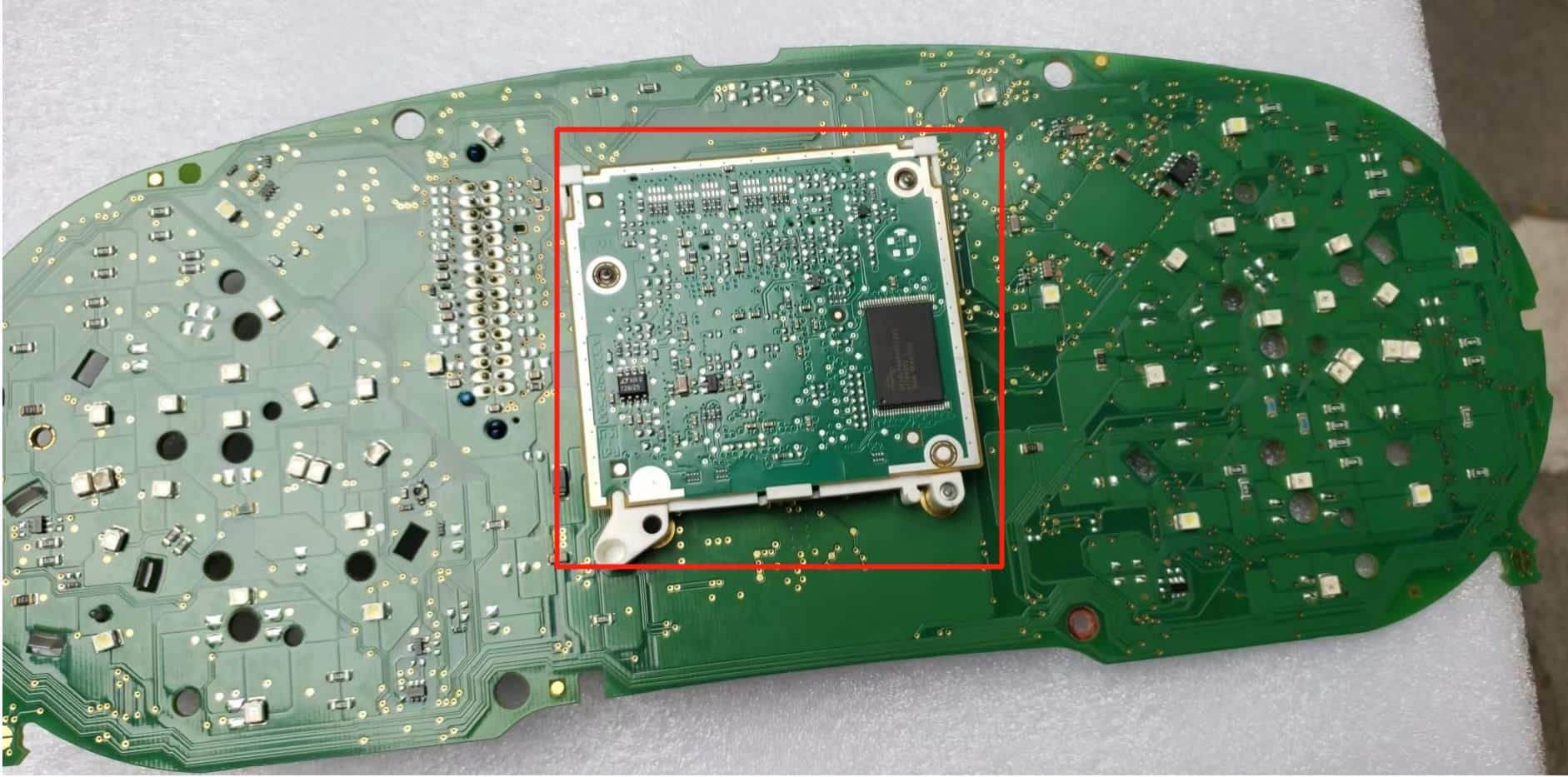
PCB ของหน้าปัดเดิม
ตัวอย่าง PCB หน้าปัด Volkswagen/Jetta ของจริง ในเส้นทางรถคันนี้ อิเล็กทรอนิกส์เดิมยังคงเป็นส่วนสำคัญของการแปลง.
ดูคู่มือการถ่ายโอน PCB Jetta ของแท้ →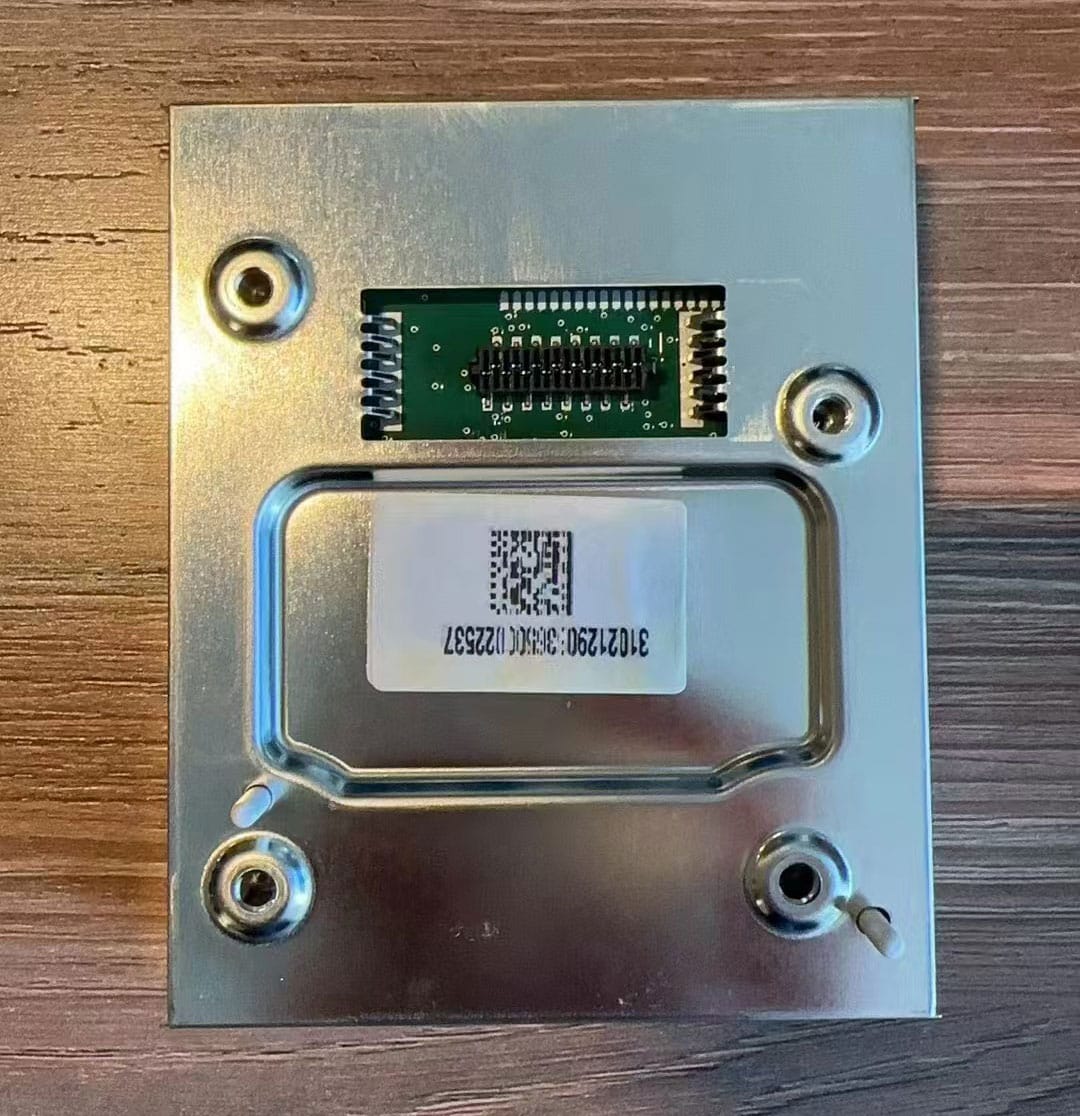
ชิ้นส่วน OEM ขนาดเล็กก็สำคัญ
คลัสเตอร์เดิมบางรุ่นมีบอร์ดเสริมหรือชิ้นส่วนอื่นๆ ที่ต้องเก็บรักษาไว้อย่างถูกต้องด้วย ชิ้นส่วนเล็กๆ ก็ยังส่งผลต่อพฤติกรรมข้อมูลรถได้.
ดูคำอธิบายเกี่ยวกับบอร์ดเสริม →
การอัปเกรดที่เสร็จสมบูรณ์
ลูกค้าเห็นจอแสดงผลดิจิทัลที่เสร็จสมบูรณ์ งานทางเทคนิคที่สำคัญกว่าคือสิ่งที่เกิดขึ้นเบื้องหลัง: การจับคู่รถอย่างถูกต้อง การจัดการชิ้นส่วนเดิม และการตรวจสอบขั้นสุดท้าย.
ดูหลักฐานการติดตั้ง iKAGOO →การดัดแปลงตัวเรือนมาตรวัดทำให้การอัปเกรดย้อนกลับไม่ได้หรือไม่?
ไม่จำเป็นต้องเป็นเช่นนั้น.
การอัปเกรดคลัสเตอร์ดิจิทัลที่ย้อนกลับได้ไม่ได้หมายความว่าชิ้นส่วนพลาสติกทุกชิ้นต้องไม่ถูกแตะต้องทางกายภาพ.
ในรถบางรุ่น การติดตั้งอาจต้องดัดแปลงตัวเรือนมาตรวัดพลาสติก แท่นรองรับภายใน แผงตกแต่ง กรอบ หรือฝาครอบโดยรอบอย่างจำกัด เพื่อให้จอแสดงผลใหม่ติดตั้งได้พอดี.
รายการหลักที่ iKAGOO เชื่อว่าควรได้รับการปกป้องสูงสุด
- PCB มาตรวัดเดิมและอุปกรณ์อิเล็กทรอนิกส์ที่จำเป็น
- ความสมบูรณ์ของข้อมูลรถเดิม
- ความสัมพันธ์ระหว่างเลขไมล์และตัวตนของรถ
- ฟังก์ชันที่เกี่ยวข้องกับอิมโมบิไลเซอร์/กุญแจ ในกรณีที่เกี่ยวข้อง
- สายไฟจากโรงงานและขั้วต่อ OEM
- เส้นทางกลับสู่สภาพเดิมที่เป็นจริงได้
ชิ้นส่วนที่อาจเปลี่ยนได้ในภายหลัง
- ตัวเรือนมาตรวัดพลาสติก
- ขายึดพลาสติกภายใน
- กรอบตกแต่ง
- แผงตกแต่ง
- ฝาครอบหรือชิ้นส่วนบุด้วยหนัง
ความพร้อมใช้งานแตกต่างกันไปตามรุ่นรถ แต่ชิ้นส่วนที่ไม่ใช่อิเล็กทรอนิกส์เหล่านี้มักหาได้ผ่านช่องทางอะไหล่ OEM ร้านถอดอะไหล่ ผู้ขายอะไหล่มือสอง หรือตลาดอะไหล่ออนไลน์.
คุณควรซื้อคลัสเตอร์ที่ไม่ใช่ OEM ที่ต้องมีการตั้งโปรแกรมรถที่ซับซ้อนหรือไม่?
การตั้งโปรแกรมเองไม่ได้ผิดโดยอัตโนมัติ การซ่อมแซมที่ถูกต้องและการติดตั้ง OEM เพิ่มเติมอาจต้องมีการเขียนโค้ด การปรับตั้ง หรือการทำงานวินิจฉัยระดับมืออาชีพ.
ความกังวลเริ่มต้นเมื่อผลิตภัณฑ์หลังการขายต้องมีการ การตั้งโปรแกรมคลัสเตอร์ดิจิทัล อย่างกว้างขวาง หรือการเปลี่ยนแปลงข้อมูลรถหลัก แต่ผู้ขายไม่สามารถอธิบายได้ว่ากำลังเปลี่ยนแปลงอะไรหรือรถสามารถกลับสู่สภาพเดิมได้อย่างไรในภายหลัง.
ก่อนที่จะยอมรับการเขียนโปรแกรมที่ซับซ้อน ให้ถามว่า:
- โมดูลควบคุมหรือข้อมูลเครื่องมือวัดใดจะถูกแก้ไข?
- ข้อมูล VIN เลขระยะทาง หรือข้อมูลที่เกี่ยวข้องกับระบบกันขโมยจะเปลี่ยนไปหรือไม่?
- ข้อมูล EEPROM หรือข้อมูลการกำหนดค่าเดิมจะถูกสำรองไว้หรือไม่?
- ใครเป็นผู้เก็บข้อมูลสำรอง?
- มีกระบวนการกู้คืนที่จัดทำเป็นเอกสารไว้หรือไม่?
- สามารถติดตั้งมาตรวัดเดิมกลับเข้าไปใหม่ได้ในภายหลังหรือไม่?
- การกลับสู่สภาพเดิมจะต้องใช้การเขียนโค้ดระดับตัวแทนจำหน่ายหรือไม่?
เหตุใดการเดินสายจากโรงงานจึงสำคัญต่อการอัปเกรดมาตรวัดดิจิทัลที่สามารถย้อนกลับได้
อนาคต การคืนค่ามาตรวัด OEM จะยากขึ้นหากชุดสายไฟเดิมของรถยนต์ถูกตัด คอนเนกเตอร์จากโรงงานถูกถอดออก หรือขั้วต่อถูกเปลี่ยนแปลงอย่างถาวร.
ในกรณีที่มีการบันทึกเส้นทางเฉพาะรุ่นรถของ iKAGOO ว่าใช้การเชื่อมต่อแบบปลั๊กอินที่เข้าคู่กัน เป้าหมายคือการรักษาสายไฟหลักจากโรงงานไว้แทนที่จะตัดเพื่อบังคับให้เข้ากันได้.
รักษาคอนเนกเตอร์ OEM
ปลั๊กและขั้วต่อเดิมเป็นส่วนหนึ่งของเส้นทางการกู้คืนจากโรงงาน.
ใช้เส้นทางชุดสายไฟที่ถูกต้อง
คอนเนกเตอร์สองตัวที่ดูคล้ายกันไม่ได้หมายความว่าจะใช้ผังขา或ตรรกะการสื่อสารเดียวกันโดยอัตโนมัติ.
หยุดแทนที่จะฝืน
หากการเชื่อมต่อที่ให้มาไม่เข้าคู่กันตามธรรมชาติ iKAGOO เชื่อว่าการกระทำที่ถูกต้องคือหยุดและยืนยันเวอร์ชัน—ไม่ใช่ตัดสายไฟเดิมเพื่อให้ใส่ได้.
จะเกิดอะไรขึ้นหากมาตรวัดดิจิทัลหลังการขายเสียหายในอีกหลายปีต่อมา?
คำถามนี้ควรได้รับคำตอบก่อนการซื้อ เพราะไม่มีแบรนด์หลังการขายที่รับผิดชอบแบรนด์ใดสามารถสัญญาได้ว่าจอ ชิป PCB หรือรุ่นผลิตภัณฑ์หนึ่งๆ จะยังคงมีจำหน่ายตลอดไป.
ฮาร์ดแวร์เปลี่ยนแปลง ซัพพลายเออร์เปลี่ยนแปลง แพลตฟอร์มเฟิร์มแวร์เปลี่ยนแปลง ในที่สุดรุ่นต่างๆ อาจถูกยกเลิก.
iKAGOO เชื่อว่าผลิตภัณฑ์หลังการขายคุณภาพสูงจึงควรได้รับการสนับสนุนจากสองสิ่ง: เส้นทางการสนับสนุนฝั่งผลิตภัณฑ์และเส้นทางการสำรองฝั่งรถยนต์.
จุดอ่อนในระยะยาว
มาตรวัดเดิมถูกทิ้ง สายไฟเดิมถูกดัดแปลง ข้อมูลหลักถูกเปลี่ยนแปลงโดยไม่มีข้อมูลสำรอง และไม่มีคำแนะนำการกู้คืนที่ชัดเจน.
จุดแข็งในระยะยาว
อุปกรณ์เดิมถูกเก็บรักษา อิเล็กทรอนิกส์ที่สำคัญได้รับการปกป้อง สายไฟจากโรงงานถูกรักษาไว้เท่าที่เป็นไปได้ และเส้นทางการกู้คืนเป็นที่เข้าใจก่อนการติดตั้ง.
iKAGOO จัดการกับการอัปเกรดดิจิทัลคลัสเตอร์แบบย้อนกลับได้อย่างไร
iKAGOO ไม่เชื่อว่ารถทุกคันควรได้รับการปฏิบัติเสมือนว่าใช้ PCB สถาปัตยกรรม CAN การเดินสายไฟ หรือขั้นตอนการติดตั้งแบบเดียวกัน.
ผลิตภัณฑ์ควรเป็นไปตามเส้นทางเฉพาะของรถแต่ละรุ่น.
ระบุรถจริง
รุ่น ปีที่ผลิต ลักษณะคลัสเตอร์เดิม รูปแบบแดชบอร์ด ตำแหน่งพวงมาลัย และข้อมูลที่เกี่ยวข้องอื่นๆ อาจได้รับการตรวจสอบก่อนจัดเตรียมเส้นทางสุดท้าย.
พิจารณาว่าจำเป็นต้องถ่ายโอน PCB OEM หรือไม่
รถบางรุ่นจำเป็นต้องย้ายบอร์ดเดิม รุ่นอื่นใช้ดิจิทัลคลัสเตอร์แบบอิสระ iKAGOO ไม่ถือว่าการถ่ายโอน PCB เป็นข้อกำหนดสากล.
รักษาพื้นฐานอิเล็กทรอนิกส์ OEM
ในกรณีที่สถาปัตยกรรมใช้ชิ้นส่วนอิเล็กทรอนิกส์เดิม ควรจัดการ PCB ที่จำเป็น บอร์ดเสริม และเส้นทางข้อมูลเดิมเสมือนเป็นชิ้นส่วนสำคัญของรถ.
หลีกเลี่ยงการเขียนทับข้อมูลหลักที่ไม่จำเป็น
iKAGOO เชื่อว่าจอแสดงผลแบบอะฟเตอร์มาร์เก็ตไม่ใช่เหตุผลที่ดีพอที่จะเขียนทับข้อมูลสำคัญของรถ เช่น ข้อมูลระบุตัวตน ระยะทาง หรือข้อมูลที่เกี่ยวข้องกับความปลอดภัย โดยไม่จำเป็น.
รักษาสายไฟจากโรงงานในกรณีที่เส้นทางอนุญาต
ควรใช้ขั้วต่อเฉพาะรุ่นที่ตรงกันมากกว่าการตัดหรือต่อสายไฟหลักเดิมโดยเจตนา.
เก็บอุปกรณ์มาตรวัดเดิมไว้
ไม่ว่ารถจะต้องถ่ายโอน PCB หรือไม่ iKAGOO แนะนำให้เก็บคลัสเตอร์เดิมและชิ้นส่วน OEM ที่สำคัญไว้แทนที่จะทิ้ง.
ตรวจสอบการทำงานก่อนปิดแดชบอร์ด
ควรทดสอบข้อมูลรถที่รองรับ คำเตือน การควบคุม พฤติกรรมการสตาร์ท และฟังก์ชันอื่นๆ ที่จำเป็นก่อนถือว่าการติดตั้งเสร็จสมบูรณ์.
ให้การสนับสนุนเชื่อมโยงกับผลิตภัณฑ์
iKAGOO ให้บริการตรวจสอบความเข้ากันได้ คำแนะนำในการติดตั้ง การแก้ไขปัญหา การสนับสนุนเฟิร์มแวร์ที่เกี่ยวข้อง และการประสานงานด้านชิ้นส่วนหรือการซ่อมแซม แทนที่จะถือว่าการจัดส่งเป็นจุดสิ้นสุดของความรับผิดชอบ.
รายการตรวจสอบความเป็นไปได้ในการย้อนกลับ iKAGOO
การอัปเกรดดิจิทัลคลัสเตอร์แบบย้อนกลับได้: สามข้อตรวจสอบก่อนเลือกชุดติดตั้ง
ข้อตรวจสอบเหล่านี้จะอธิบายว่าต้องรักษาอะไรไว้และต้องยืนยันอะไรสำหรับรถคันจริง เป็นหลักการในการซื้อและการติดตั้ง ไม่ใช่เปอร์เซ็นต์ความน่าเชื่อถือที่วัดได้หรือการให้คะแนนสินค้าเฉพาะรุ่นรถ.
1. ปกป้องอุปกรณ์อิเล็กทรอนิกส์และข้อมูลเดิม
ระบุว่าคลัสเตอร์ที่ให้มานั้นใช้การถ่ายโอน PCB แบบ OEM หรือใช้ชิ้นส่วนทดแทนอิสระ เก็บรักษาอุปกรณ์อิเล็กทรอนิกส์เดิมที่จำเป็นสำหรับการติดตั้งนั้น บันทึกเลขระยะทาง และยืนยันการเข้ารหัสหรือการจัดการข้อมูลเฉพาะรุ่นรถ (ถ้ามี).
ดูว่าข้อมูลและอุปกรณ์อิเล็กทรอนิกส์เดิมใดมีความสำคัญ →2. เก็บชิ้นส่วนที่จำเป็นสำหรับการกลับสู่สภาพเดิม
เก็บคลัสเตอร์เดิมและชิ้นส่วนที่ถอดออกไว้ ก่อนติดตั้ง ให้กำหนดว่าการคืนสภาพหมายถึงการติดตั้งชุดเดิมที่สมบูรณ์กลับเข้าไป หรือการประกอบกลับโดยใช้ชิ้นส่วนอิเล็กทรอนิกส์ที่ถ่ายโอนมา ข้อกำหนดด้านเรือนhousing การตกแต่ง หรือการโปรแกรมใด ๆ ควรอยู่ในแผนนั้น.
ทำความเข้าใจขั้นตอนการกลับสู่สภาพเดิม →3. รักษาเส้นทางการเชื่อมต่อจากโรงงาน
ใช้ขั้วต่อเฉพาะรุ่นรถที่ยืนยันแล้ว และบันทึกการดัดแปลงใด ๆ ที่จำเป็น หากขั้วต่อไม่ตรงกัน ให้หยุดและตรวจสอบชิ้นส่วนที่ให้มาก่อนที่จะเปลี่ยนแปลงชุดสายไฟจากโรงงาน.
ทบทวนมาตรฐานความเข้ากันได้ก่อนสั่งซื้อ →การประเมินสินค้าที่เผยแพร่ควรระบุรุ่นรถ ฮาร์ดแวร์ที่ให้มา และหลักฐานที่รองรับผลลัพธ์ รายการตรวจสอบทั่วไปนี้ไม่ได้ให้คะแนนเป็นตัวเลขแก่รถทุกรุ่น หรือรับประกันผลลัพธ์ของการคืนสภาพในอนาคต.
คุณควรเก็บชิ้นส่วนเดิมใดบ้างหลังการติดตั้ง?
iKAGOO แนะนำให้เก็บชิ้นส่วนเครื่องมือวัดเดิมทั้งหมดที่อาจจำเป็นสำหรับการคืนสภาพในอนาคต.
เก็บชิ้นส่วน OEM เหล่านี้
- คลัสเตอร์เครื่องมือวัดเดิมแบบครบชุดเมื่อเป็นไปได้
- จอ LCD หรือจอแสดงผลเดิม
- แผงวงจรเครื่องมือวัดเดิมเมื่อไม่ได้ติดตั้งในคลัสเตอร์ใหม่
- เข็มและชิ้นส่วนมาตรวัด
- มอเตอร์
- บอร์ดเสริม
- กริ่งหรือลำโพงเดิม
- ตัวเรือนและขายึด
- คิ้วและฝาครอบ
- สกรู คลิป และตัวยึดจากโรงงาน
จัดเก็บอย่างถูกวิธี
- ปกป้องบอร์ดอิเล็กทรอนิกส์จากการปล่อยประจุไฟฟ้าสถิต.
- เก็บสกรูและชิ้นส่วนเล็กๆ ไว้ในถุงที่ติดป้ายกำกับ.
- ติดป้ายกำกับชิ้นส่วนพร้อมระบุรถและวันที่ติดตั้ง.
- ปกป้องจอแสดงผลจากแรงกด ความชื้น และความร้อน.
- อย่าทิ้งชิ้นส่วนเพียงเพราะไม่แน่ใจว่ามันทำหน้าที่อะไร.
- เก็บชิ้นส่วนเดิมไว้กับรถหากขายรถในภายหลัง.
เมื่อไหร่ที่คุณควรคิดให้ดีก่อนซื้อมาตรวัดดิจิทัลแบบอะฟเตอร์มาร์เก็ต?
| สถานการณ์ | เหตุผลที่สำคัญ | มุมมอง iKAGOO |
|---|---|---|
| ผู้ขายไม่สามารถอธิบายได้ว่ารถของคุณต้องย้าย PCB OEM หรือไม่. | คุณยังไม่เข้าใจโครงสร้างการติดตั้งที่แท้จริง. | ศึกษาก่อน |
| ต้องเปลี่ยนข้อมูล VIN เลขไมล์ หรืออิมโมบิไลเซอร์ แต่ไม่มีคำอธิบายแผนสำรองหรือการกู้คืน. | ข้อมูลหลักของรถอาจถูกแก้ไขโดยไม่มีเส้นทางย้อนกลับที่เชื่อถือได้. | กังวลสูง |
| ต้องตัดสายไฟหลักจากโรงงานโดยไม่มีเหตุผลทางเทคนิคที่ชัดเจน. | การคืนสภาพ OEM ในอนาคตและการแก้ไขปัญหาทางไฟฟ้าจะยากขึ้น. | กังวลสูง |
| ผู้ขายบอกให้คุณทิ้งมาตรวัดเดิม. | คุณสูญเสียชิ้นส่วนรถเดิมที่สำคัญและเส้นทางสำรอง. | ไม่แนะนำ |
| ตัวเรือนพลาสติกหรือชิ้นส่วนคิ้วที่เปลี่ยนได้ต้องดัดแปลงเล็กน้อย. | การคืนสภาพด้านความสวยงามในอนาคตอาจต้องหาชิ้นส่วนทดแทน. | มักจัดการได้ |
| เก็บรักษาอิเล็กทรอนิกส์เดิมที่จำเป็นไว้และจัดทำเอกสารเส้นทางของรถ. | เส้นทางการติดตั้งและการคืนสภาพในอนาคตเข้าใจได้ง่ายขึ้น. | แนะนำ |
| ไม่ต้องย้าย PCB และเก็บมาตรวัด OEM ทั้งชุดไว้อย่างสมบูรณ์. | เครื่องมือวัดเดิมยังคงใช้งานได้สำหรับการฟื้นฟูในอนาคต. | แนะนำ |
คำถามที่พบบ่อยเกี่ยวกับการอัปเกรดดิจิทัลคลัสเตอร์แบบย้อนกลับได้
ฉันสามารถติดตั้งคลัสเตอร์เครื่องมือวัดเดิมกลับคืนหลังจากการอัปเกรดดิจิทัลคลัสเตอร์ได้หรือไม่?
โดยทั่วไปได้ เมื่อการดัดแปลงได้รับการวางแผนโดยคำนึงถึงเส้นทางการกลับสู่สภาพเดิม ระบบถ่ายโอน PCB อาจต้องย้าย PCB เดิมกลับเข้าไปในคลัสเตอร์จากโรงงาน ในขณะที่ดิจิทัลคลัสเตอร์แบบอิสระอาจอนุญาตให้ติดตั้งเครื่องมือวัด OEM ที่จัดเก็บไว้ทั้งหมดกลับคืนได้.
ดิจิทัลคลัสเตอร์เครื่องมือวัดทั้งหมดจำเป็นต้องถ่ายโอน PCB ของ OEM หรือไม่?
ไม่ ผลิตภัณฑ์เฉพาะรุ่นรถบางรายการจำเป็นต้องถ่ายโอน PCB ของ OEM หรือการถ่ายโอนฮาร์ดแวร์เดิมอื่นๆ ดิจิทัลคลัสเตอร์อื่นๆ ทำงานผ่านสถาปัตยกรรมอิสระ เส้นทางที่ถูกต้องขึ้นอยู่กับรถรุ่นนั้นๆ และระบบเครื่องมือวัดเดิม.
การถ่ายโอน PCB ของคลัสเตอร์เครื่องมือวัดจะเปลี่ยนเลขไมล์ของฉันหรือไม่?
สถาปัตยกรรมเลขไมล์แตกต่างกันไปตามรถรุ่น การดัดแปลงแบบเก็บ PCB ไว้มักได้รับการออกแบบให้ใช้ความสัมพันธ์ของข้อมูลเครื่องมือวัดเดิมต่อไป แทนที่จะเปลี่ยนคลัสเตอร์ด้วยชุดบริจาคที่ไม่เกี่ยวข้อง แต่เส้นทางเลขไมล์ที่แน่นอนควรได้รับการยืนยันสำหรับรถรุ่นนั้นๆ.
ดิจิทัลคลัสเตอร์จะส่งผลต่ออิมโมบิไลเซอร์หรือกุญแจรถของฉันหรือไม่?
ขึ้นอยู่กับรถรุ่น แพลตฟอร์มบางแห่งรวมระบบเครื่องมือวัดเข้ากับอิมโมบิไลเซอร์หรือการสื่อสารที่เกี่ยวข้องกับกุญแจ นี่เป็นเหตุผลหนึ่งที่การเปลี่ยนคลัสเตอร์ทั้งหมดและการอัปเกรดแบบเก็บ PCB ไว้ไม่ควรถือเป็นกระบวนการทางเทคนิคเดียวกัน.
การอัปเกรดดิจิทัลคลัสเตอร์แบบย้อนกลับได้ต้องมีการเขียนโค้ดหรือไม่?
รถบางรุ่นหรือเส้นทางผลิตภัณฑ์บางเส้นทางต้องมีการตั้งค่า การปรับเปลี่ยน หรือการเขียนโค้ด ส่วนรายการอื่นไม่ต้อง iKAGOO ไม่แนะนำให้สันนิษฐานว่า “ไม่ต้องเขียนโค้ด” ใช้ได้กับทุกกรณี.
การเขียนโค้ดหรือโปรแกรมดิจิทัลคลัสเตอร์ไม่ปลอดภัยโดยอัตโนมัติหรือไม่?
ไม่ การซ่อมแซมที่ถูกต้องและการดัดแปลง OEM อาจต้องมีการเขียนโค้ด ความกังวลคือการแก้ไขข้อมูลรถที่สำคัญโดยไม่จำเป็นโดยไม่มีเอกสาร การสำรองข้อมูล และขั้นตอนการฟื้นฟูที่เชื่อถือได้.
การติดตั้งยังคงย้อนกลับได้หรือไม่หากตัวเรือนพลาสติกถูกดัดแปลง?
อาจได้ การย้อนกลับด้านรูปลักษณ์และการย้อนกลับด้านอิเล็กทรอนิกส์เป็นเรื่องที่แตกต่างกัน ตัวเรือนหรือชิ้นส่วนตกแต่งที่เปลี่ยนได้อาจต้องดัดแปลง ในขณะที่ PCB เดิม ข้อมูลรถ ขั้วต่อ และอิเล็กทรอนิกส์หลักยังคงได้รับการปกป้อง.
ฉันควรเก็บคลัสเตอร์เครื่องมือวัดเดิมไว้หรือไม่หากไม่จำเป็นต้องถ่ายโอน PCB?
ควร iKAGOO แนะนำให้เก็บคลัสเตอร์เครื่องมือวัดเดิมทั้งหมดไว้ แม้ว่าคลัสเตอร์ใหม่จะเป็นแบบอิสระ การทำเช่นนี้รักษาความสมบูรณ์ของ OEM และคงเส้นทางที่เป็นไปได้อีกทางหนึ่งในการกลับสู่การตั้งค่าจากโรงงาน.
จะเกิดอะไรขึ้นหากดิจิทัลคลัสเตอร์หลังการขายเสียหายในอีกหลายปีต่อมา?
เส้นทางการซ่อมขึ้นอยู่กับข้อบกพร่องและชิ้นส่วนทดแทนที่มี การเก็บคลัสเตอร์เดิมไว้และการติดตั้งที่ย้อนกลับได้จะให้ทางเลือกสำรองแก่เจ้าของซึ่งจะไม่มีอยู่หากอุปกรณ์เดิมถูกทิ้งหรือเสียหายอย่างถาวร.
ฉันควรซื้อคลัสเตอร์ที่ต้องมีการโปรแกรมเลขไมล์หรืออิมโมบิไลเซอร์ที่ซับซ้อนหรือไม่?
เฉพาะหลังจากที่คุณเข้าใจว่าทำไมจึงต้องมีการโปรแกรม ข้อมูลใดจะเปลี่ยนไป ข้อมูลเดิมได้รับการสำรองไว้หรือไม่ และมีกระบวนการกลับสู่สภาพเดิมที่มีเอกสารหรือไม่ หากคำถามเหล่านี้ไม่สามารถตอบได้อย่างชัดเจน iKAGOO เชื่อว่าการซื้อนี้ควรได้รับการพิจารณาใหม่.
การเก็บคลัสเตอร์เดิมไว้ช่วยเพิ่มมูลค่าการขายต่อรถของฉันหรือไม่?
ไม่ได้รับประกันราคาที่สูงขึ้น แต่รักษาความสมบูรณ์ของ OEM และช่วยให้ผู้ซื้อในอนาคตสามารถเลือกระหว่างดิจิทัลคลัสเตอร์ที่อัปเกรดแล้วกับการกลับสู่สเปกเดิม.
การติดตั้งดิจิทัลคลัสเตอร์ต้องตัดสายไฟจากโรงงานหรือไม่?
ไม่เสมอไป เส้นทางเฉพาะรุ่นรถหลายเส้นทางใช้ชุดสายที่จับคู่และขั้วต่อแบบ OEM หากระบบที่อ้างว่าจับคู่กันไม่เชื่อมต่ออย่างถูกต้อง ให้ตรวจสอบเวอร์ชันก่อนดัดแปลงสายไฟจากโรงงาน.
ไฟเตือนจากโรงงานและข้อมูลรถจะยังทำงานอยู่หรือไม่?
ฟังก์ชันที่รองรับขึ้นอยู่กับรถและรูปแบบผลิตภัณฑ์ ความเร็ว รอบต่อนาที เชื้อเพลิง เลขไมล์ คำเตือน ประตู อุณหภูมิ ปุ่มควบคุมบนพวงมาลัย และข้อมูลอื่นๆ ควรได้รับการตรวจสอบบนเส้นทางที่รองรับเฉพาะรุ่น แทนที่จะสันนิษฐานว่าใช้ได้กับทุกกรณี.
ฉันควรส่งอะไรให้ iKAGOO ก่อนซื้อ?
เริ่มจากยี่ห้อรถ รุ่น ปี ตำแหน่งพวงมาลัย และภาพถ่ายที่ชัดเจนของคลัสเตอร์เครื่องมือวัดเดิมและแผงหน้าปัด อาจมีการขอ VIN ภาพถ่ายขั้วต่อ หรือรายละเอียดระบบเพิ่มเติมเมื่อเส้นทางรถรุ่นนั้นต้องการ.
คำถามที่สำคัญที่สุดที่ควรถามผู้ขายดิจิทัลคลัสเตอร์คืออะไร?
ถามว่า: “ถ้าคลัสเตอร์หลังการขายนี้เสียหายในอีกหลายปีข้างหน้า ฉันต้องทำอะไรบ้างเพื่อติดตั้งระบบมาตรวัดเดิมกลับคืน?” ผู้ขายที่เข้าใจผลิตภัณฑ์ควรอธิบายคำตอบสำหรับเส้นทางติดตั้งจริงของรถรุ่นนั้นได้.
ดูว่าความสามารถในการย้อนกลับเปลี่ยนแปลงอย่างไรในแต่ละเส้นทางติดตั้งของรถ
Volkswagen Jetta: การถ่ายโอน PCB จริง
ดูเส้นทางติดตั้งจริงที่แผงวงจร PCB ของมาตรวัดเดิมและชิ้นส่วน OEM ที่จำเป็นเป็นส่วนหนึ่งของการติดตั้งคลัสเตอร์ดิจิทัล.
ดูคู่มือการติดตั้ง Jetta →Volkswagen Golf Mk7: การถ่ายโอนบอร์ดและการตรวจสอบขั้นสุดท้าย
ดูเส้นทางติดตั้งเฉพาะรุ่นรถจริงที่มีการจัดการฮาร์ดแวร์เดิม การตรวจสอบสายไฟ และการตรวจสอบการบูตครั้งแรก.
ดูคู่มือการติดตั้ง Golf Mk7 →Audi A5 B8: การวางแผนกลับคืนสู่สภาพเดิม
ดูตัวอย่างที่เน้นผู้ซื้อ ซึ่งแผงวงจร PCB ของ Audi เดิมถูกเก็บรักษาไว้ และพิจารณาความสามารถในการกลับไปใช้คลัสเตอร์จากโรงงานก่อนซื้อ.
อ่านคู่มือผู้ซื้อ Audi A5 B8 →รายการตรวจสอบการอัปเกรดคลัสเตอร์ดิจิทัลแบบย้อนกลับได้
ถามผู้ขาย
- รถของฉันต้องถ่ายโอน PCB OEM หรือไม่?
- ชิ้นส่วนอิเล็กทรอนิกส์เดิมใดบ้างที่ถูกถ่ายโอน?
- การติดตั้งเปลี่ยนเลขไมล์ VIN หรือข้อมูลที่เกี่ยวข้องกับอิมโมบิไลเซอร์หรือไม่?
- ต้องตัดสายไฟหลักจากโรงงานหรือไม่?
- ฉันต้องเก็บชิ้นส่วนเดิมใดไว้?
- สามารถสร้างใหม่หรือติดตั้งคลัสเตอร์มาตรวัดเดิมกลับคืนในภายหลังได้หรือไม่?
- การกลับคืนสู่สภาพเดิมต้องมีการโปรแกรมหรือไม่?
- ใครสนับสนุนผลิตภัณฑ์หลังการติดตั้ง?
ถามตัวเอง
- ฉันเข้าใจเส้นทางติดตั้งที่แน่นอนหรือไม่?
- ฉันมีช่างติดตั้งที่เหมาะสมหรือไม่ หากต้องมีการจัดการ PCB?
- ฉันสามารถจัดเก็บชิ้นส่วนเดิมได้อย่างปลอดภัยหรือไม่?
- ฉันเข้าใจการดัดแปลงตัวเรือนหรือชิ้นส่วนตกแต่งใด ๆ หรือไม่?
- ฉันมีข้อมูลการติดตั้งและบริการหลังการขายหรือไม่?
- หากคลัสเตอร์ใหม่เสีย ฉันรู้แผนสำรองหรือไม่?
คำถามที่ต้องตอบก่อนซื้อคลัสเตอร์มาตรวัดดิจิทัล
การติดตั้งแบบย้อนกลับได้เป็นเพียงส่วนหนึ่งของการตัดสินใจซื้อเท่านั้น โปรดพิจารณาคำถามด้านล่างต่อไปจนกว่าความเข้ากันได้ ความเสี่ยงในการติดตั้ง การสนับสนุนจากผู้ขาย และเส้นทางผลิตภัณฑ์ที่ถูกต้องจะชัดเจน.
มุมมองของเรา: มาตรวัดดิจิทัลควรเป็นการอัปเกรด ไม่ใช่การดัดแปลงทางเดียว
รักษาสิ่งที่ทดแทนได้ยาก
อุปกรณ์อิเล็กทรอนิกส์เดิม ความสัมพันธ์ของข้อมูลเฉพาะรถ ขั้วต่อจากโรงงาน และเส้นทางการคืนสภาพ ควรได้รับการปกป้องมากกว่าชิ้นส่วนตกแต่งที่เปลี่ยนได้.
เก็บสิ่งที่มาพร้อมกับรถ
แม้ไม่จำเป็นต้องถ่ายโอน PCB iKAGOO เชื่อว่ามาตรวัดเดิมควรอยู่กับรถเพื่อการคืนสภาพในอนาคต การขายต่อ หรือการเป็นเจ้าของระยะยาว.
รู้ทางกลับก่อนที่จะไปข้างหน้า
เวลาที่ควรทำความเข้าใจกระบวนการคืนสู่สภาพเดิมคือก่อนการติดตั้ง ไม่ใช่หลายปีต่อมาเมื่อจอแสดงผลเสียหรือกำลังขายรถ.
ไม่แน่ใจว่ารถของคุณรองรับการอัปเกรดเป็นมาตรวัดดิจิทัลแบบถอดกลับได้หรือไม่?
อย่าเลือกมาตรวัดดิจิทัลเพียงเพราะภาพสินค้า ตรารถ หรือปีรุ่นดูถูกต้อง.
ส่งรุ่นรถ ปีที่ผลิต ตำแหน่งพวงมาลัย และภาพถ่ายชัดเจนของมาตรวัดเดิมและแดชบอร์ดให้ iKAGOO ข้อมูล VIN หรือข้อมูลขั้วต่อเพิ่มเติมสามารถให้ได้เมื่อจำเป็นสำหรับเส้นทางเฉพาะ.
เราสามารถช่วยระบุได้ว่ารถของคุณใช้ ถ่ายโอน PCB OEM, สถาปัตยกรรมมาตรวัดดิจิทัลแบบแยกอิสระ หรือเส้นทางเฉพาะรถแบบอื่น และอธิบายว่าสิ่งใดควรคงไว้เป็นของเดิมก่อนเริ่มติดตั้ง.
iKAGOO เชื่อว่าลูกค้าควรทราบว่าสิ่งใดจะถูกเปลี่ยนแปลง สิ่งใดจะคงไว้เป็นของเดิม และรถสามารถกลับสู่สภาพเดิมได้อย่างไรก่อนตัดสินใจซื้อครั้งสุดท้าย.
ใช้ได้เฉพาะกับรถรุ่นนั้นๆ ห้ามตัดสายไฟเดิม แก้ไขข้อมูลรถ หรือถอดมาตรวัดเดิมออกโดยอ้างอิงจากวิดีโอออนไลน์ทั่วไปเท่านั้น.








Add comment